

Planning a Sikkim holiday is easier when the route, season, permits, altitude and road time are considered together. This locally informed guide brings those decisions into one place and connects you to detailed planning resources for every stage of the journey.




Understanding Sikkim’s travel regions
Sikkim is compact on a map, but mountain roads make it a multi-region destination. A balanced itinerary usually combines compatible areas instead of attempting every district in one rushed journey.
Gangtok and East Sikkim
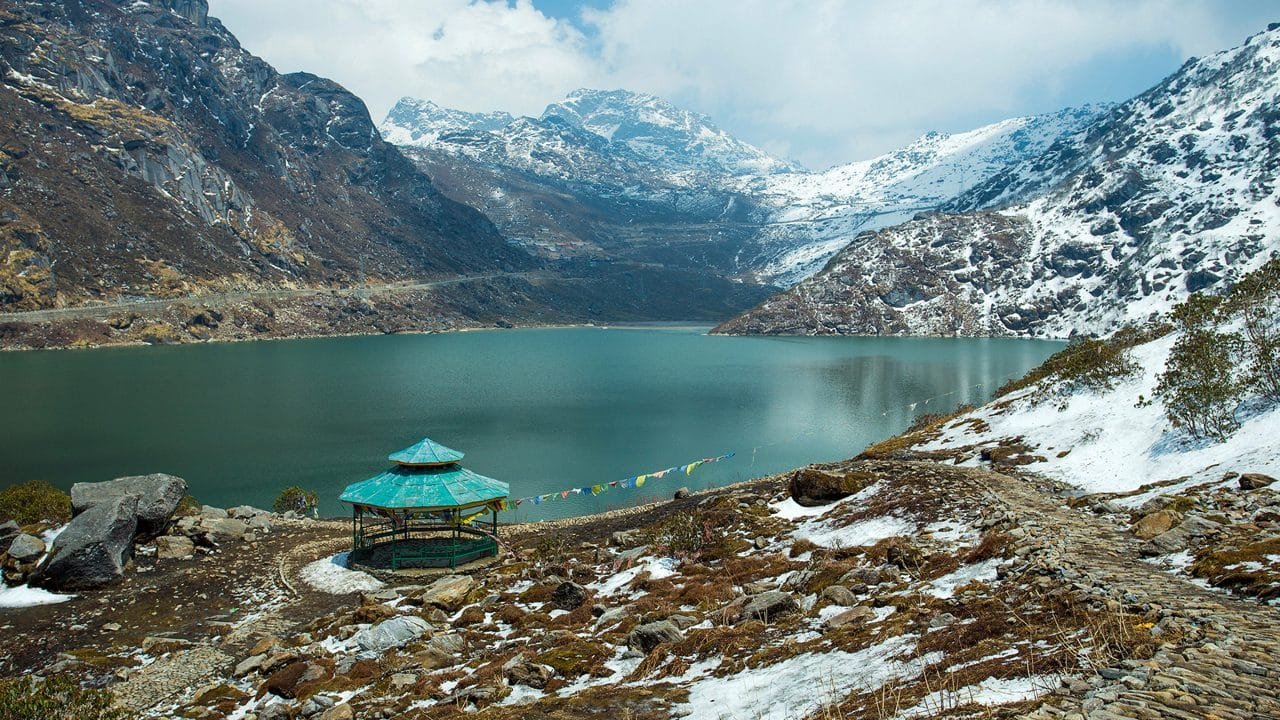
Gangtok is the practical arrival base for most first-time travellers. East Sikkim excursions may include Tsomgo Lake, Baba Mandir and, when access allows, selected Silk Route sectors.
North Sikkim
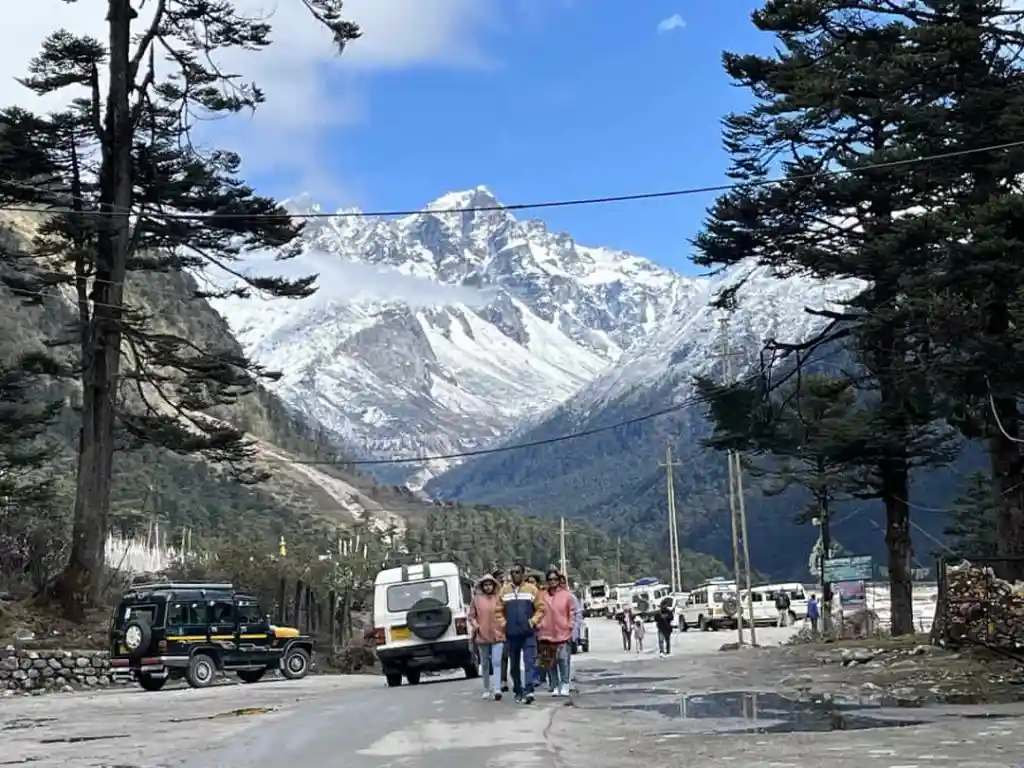
Lachen, Lachung, Gurudongmar Lake, Yumthang Valley and Zero Point involve long drives, permits and high-altitude conditions. This circuit needs realistic pacing.
South Sikkim and Namchi
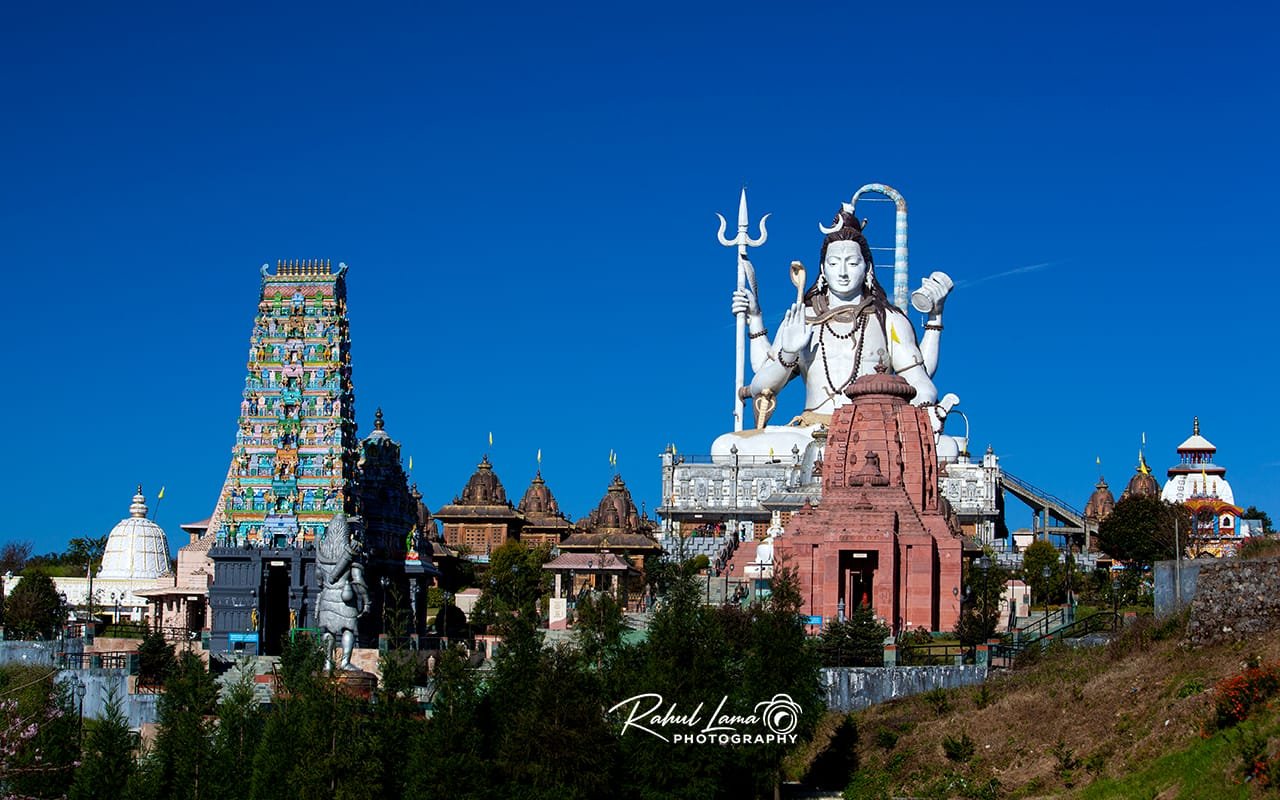
Namchi, monasteries, viewpoints and community experiences around Sadam offer a slower, locally rooted alternative with adventure and cultural possibilities.
West Sikkim and Pelling
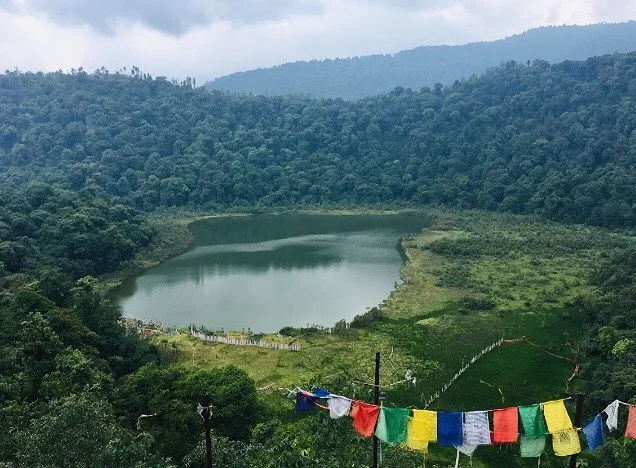
Pelling, Yuksom and surrounding heritage and nature sites work well for travellers seeking Kanchenjunga views, monasteries and longer regional stays.
Compare all regional choices in the Sikkim destinations guide. Darjeeling, Kalimpong, Sittong and Bhutan remain organised separately under Beyond Sikkim.
Best time to visit Sikkim
There is no single best month for every traveller. Spring is associated with flowering landscapes and generally comfortable sightseeing; autumn is valued for clearer mountain views; winter appeals to travellers prepared for cold conditions; and the monsoon creates lush scenery but requires greater flexibility because rain can affect roads and visibility.
Elevation changes conditions quickly. Gangtok’s forecast cannot represent Lachen, Lachung, Nathang Valley or other higher stops. Review the complete seasonal guide together with the Sikkim weather and elevation guide. For current official information, consult Sikkim Tourism’s Weather & Climate page and current notices.
Sikkim permits and restricted routes
Permit requirements depend on nationality, identity documents and the chosen route. Protected and restricted areas may follow different procedures, and a permit does not guarantee that a road will remain open on the travel date. Keep clear identity-document copies and allow the local operator enough time to check the route-specific process.
Use the Sikkim permit guide for Indian and foreign travellers, then verify changeable requirements through the official Protected Area Permit and Restricted Area Permit information.
How to reach Sikkim
Bagdogra Airport and New Jalpaiguri railway station are common gateways, followed by a road transfer into Sikkim. Pakyong Airport may suit some schedules, but flight operations and onward plans should be checked close to travel. Road time varies with traffic, weather, road work and mountain conditions, so avoid tight same-day onward connections.
The detailed Bagdogra, NJP and Pakyong arrival guide explains transfer choices, first-night planning and practical buffers. Travellers needing a dedicated vehicle can request a Sikkim taxi and transfer assessment.
How many days do you need?
4 days
A compact Gangtok-focused visit with one practical excursion. Avoid forcing distant regions into a short schedule.
5 days
Gangtok plus one compatible extension, chosen around season, permits and group profile.
7 days
A balanced two-region journey, such as Gangtok with North Sikkim or Gangtok with Pelling.
10 days
A slower multi-region plan with better buffers for weather, rest and longer drives.
Start with the 4-, 5-, 7- and 10-day Sikkim itineraries, then adapt the route to your dates and traveller type.
Accommodation and local transport
Choose accommodation by route practicality, not only photographs or distance shown on a flat map. A well-located Gangtok stay can reduce daily traffic delays, while North Sikkim, Silk Route and community routes depend on locally available properties and vehicles. Ask whether stairs, heating, hot-water arrangements and vehicle access suit children, senior citizens or travellers with limited mobility.
Private vehicles offer flexibility; shared transport can reduce cost but usually provides less control over stops and pacing. Exact fares should be quoted only after route, vehicle category, season and group size are confirmed.
High-altitude planning
Popular routes can rise quickly from lower valleys. Keep the first day lighter, avoid placing the most demanding high-altitude sector immediately after arrival, and tell the driver or guide about symptoms such as headache with nausea, dizziness or unusual fatigue. Do not ascend farther when symptoms are worsening.
Read the Sikkim high-altitude precautions. Travellers with important medical conditions should seek individual advice from a qualified clinician before travel.
What to pack
Layered clothing is more useful than one heavy garment because temperatures change by elevation and time of day. Keep a warm layer, rain protection, identity documents, medicines, water, snacks and sun protection in the day bag. Higher routes may be cold even when Gangtok feels comfortable.
Use the season-by-season Sikkim packing checklist and recheck the forecast for each overnight destination 48–72 hours before departure.
Responsible travel in Sikkim
Respect monasteries, village life, wildlife and local instructions. Ask before photographing people, avoid litter, reduce unnecessary plastic, keep noise low in natural and religious areas, and support local stays, guides, drivers, food producers and crafts where practical.
Continue with the responsible and community-based tourism guide and Sikkim Tourism’s official Do’s & Don’ts.
Start planning your Sikkim trip
Choose the regions and approximate duration first. SikkimYatra can then assess route compatibility, permits, transport, accommodation and seasonal access before preparing a Price on Request quotation.
Permits, weather, road access, property availability and activity operations remain subject to current official and local conditions.