

Sikkim permit requirements depend on the traveller’s nationality, the destination and current government instructions. This guide explains the planning process for Indian citizens, foreign nationals and OCI cardholders without treating any route or permit as guaranteed.


Why permits are required in Sikkim
Sikkim shares sensitive international borders and includes protected and restricted areas. Entry into Sikkim and permission to visit particular border destinations are separate matters. A traveller may be able to enter the state but still require additional permission for a protected sightseeing circuit.
The official Tourism and Civil Aviation Department pages for Protected Area Permits and Restricted Area Permits should be treated as the primary references. Travellers should also check current Sikkim Tourism notices and circulars close to departure.
Indian citizens: documents and protected areas
Indian citizens do not normally need a general permit simply to enter Sikkim. However, several protected border destinations require permits. The destinations open to visitors, acceptable documents and application procedure may change according to security, weather, road and administrative conditions.
Travellers are commonly asked to provide valid government-issued photo identification, photocopies and recent passport-size photographs. The exact document set should be confirmed for the chosen route before travel.
- Use clear, readable identity documents with matching names.
- Carry the original identification used for the application.
- Keep printed and digital copies of the confirmed documents.
- Submit documents within the timeline given by the registered operator.
- Do not assume that a hotel, vehicle or package booking guarantees permit approval.
Foreign nationals and OCI travellers
Foreign nationals and OCI cardholders should verify entry and protected-area requirements before booking a final route. Rules can differ from those applicable to Indian citizens, and some destinations may have nationality, group, route or duration conditions.
Foreign visitors should consult the official Sikkim Tourism RAP information and, where applicable, the Government of India’s e-FRRO portal. Do not rely on social-media posts, old screenshots or unofficial promises of express approval.
- Share nationality and passport status accurately when requesting an itinerary.
- Check whether the proposed destination is currently open to that traveller category.
- Allow additional time for document review and route adjustment.
- Carry the passport, visa and other documents specified by the responsible authority.
Popular circuits that may require permits
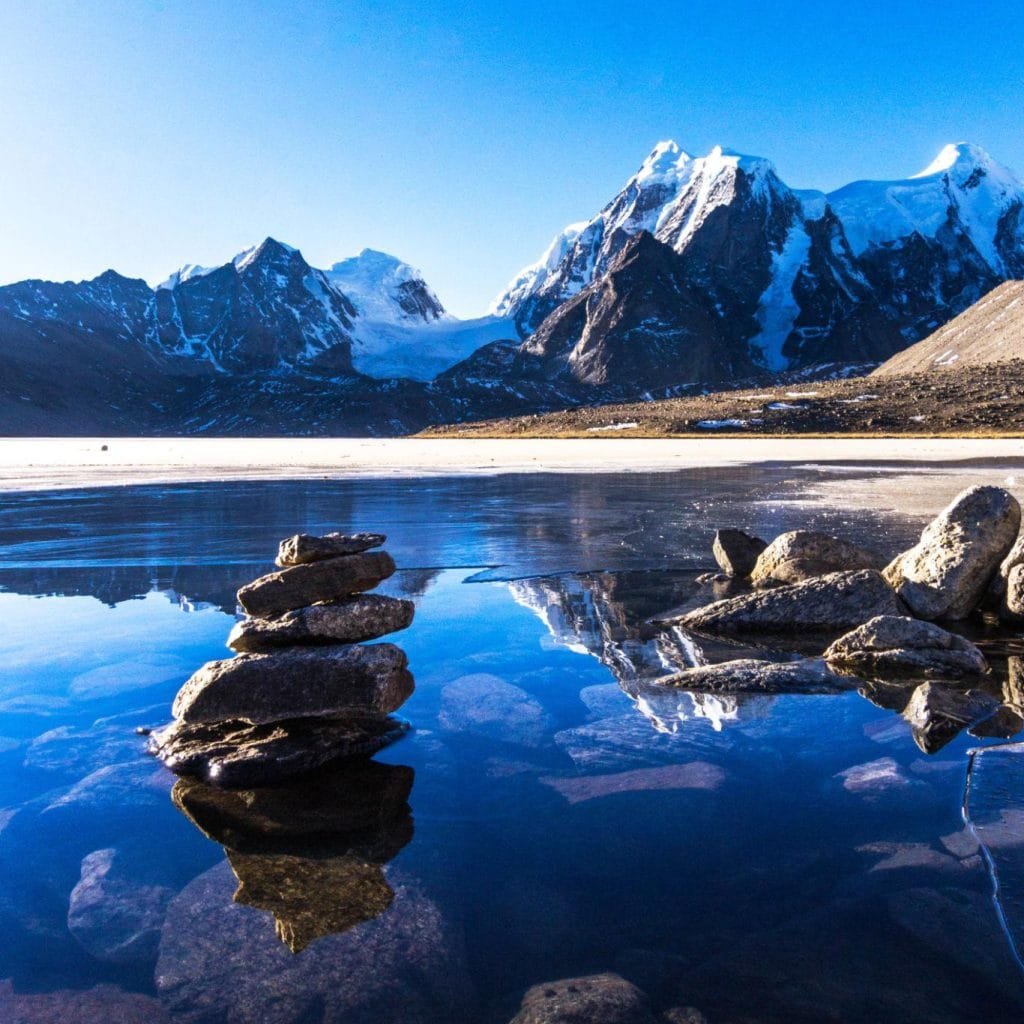
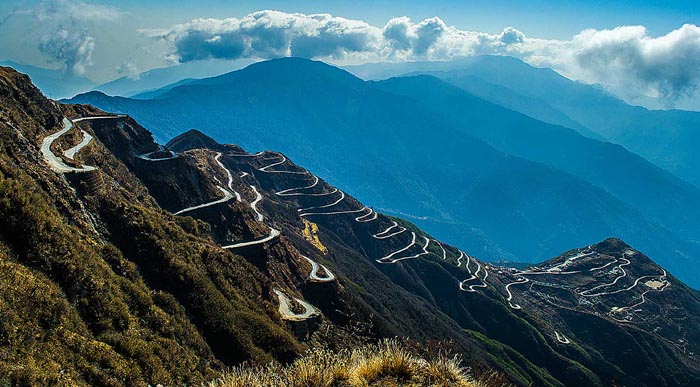
Protected-area planning is particularly relevant for high-altitude North Sikkim and border circuits in East Sikkim. Examples commonly discussed by travellers include the Lachen–Gurudongmar sector, the Lachung–Yumthang sector, Tsomgo Lake–Baba Mandir routes and the Old Silk Route. The actual open route and permitted stopping points must be checked for the travel date.
Read our North Sikkim and Silk Route Travel Guide for altitude, packing and route-planning advice.

How the permit-planning process works
- Fix the broad route: Decide whether the trip involves Gangtok, North Sikkim, the Silk Route or another protected sector.
- Share traveller details: Provide nationality, ages and document type to the registered travel operator.
- Confirm the current document list: Requirements can vary by route and traveller category.
- Submit readable copies: Blurred, cropped or mismatched documents may delay processing.
- Wait for current confirmation: Do not present a request as an approved permit.
- Carry originals: Documents may be checked during the journey.
What can affect approval or access
A permit application and actual road access are not the same thing. Weather, snowfall, landslides, road repair, security restrictions, administrative orders and health concerns can change the operating route even after a journey has been planned.
Keep an alternative lower-altitude programme and avoid placing a critical flight or train connection immediately after a remote mountain sector.
Health and altitude remain separate considerations
A permit does not certify that a traveller is medically fit for high altitude. Families with young children, senior citizens and travellers with heart, lung or other relevant medical conditions should seek individual medical advice. Local drivers and guides may recommend turning back when weather, road or health conditions become unsafe.
Common permit-planning mistakes
- Using outdated document lists copied from old blogs
- Booking a rigid itinerary before checking nationality rules
- Sending unclear identity documents at the last moment
- Assuming every named destination is open throughout the year
- Confusing North Sikkim with the Old Silk Route
- Believing a permit removes altitude or road risk
Plan the wider journey
First-time visitors can use our complete Sikkim trip-planning guide and seasonal travel guide. Compare suitable routes through the Sikkim tour packages.
Request a current permit and route assessment
Send the proposed month, nationality of every traveller, group size and preferred destinations. SikkimYatra will advise the document checklist and a practical itinerary based on current operating information.
WhatsApp 8448816633 | Call 9733222666 | Email info@sikkimyatra.in
Permit rules, eligible routes, road access and required documents can change. Confirm the latest position with the responsible government authority and registered operator before departure.