

North Sikkim and the Old Silk Route are two of Sikkim’s most rewarding mountain journeys, but they are not interchangeable. North Sikkim is the choice for dramatic high-altitude landscapes, famous valleys and a stronger sense of expedition. The Silk Route is better for a slower road trip through historic villages, viewpoints and changing Himalayan scenery.
This practical comparison helps first-time visitors choose the route that fits their available days, comfort level, travel season and companions. For permit basics and regional planning, also read our North Sikkim & Silk Route Travel Guide and Sikkim Permit Guide.
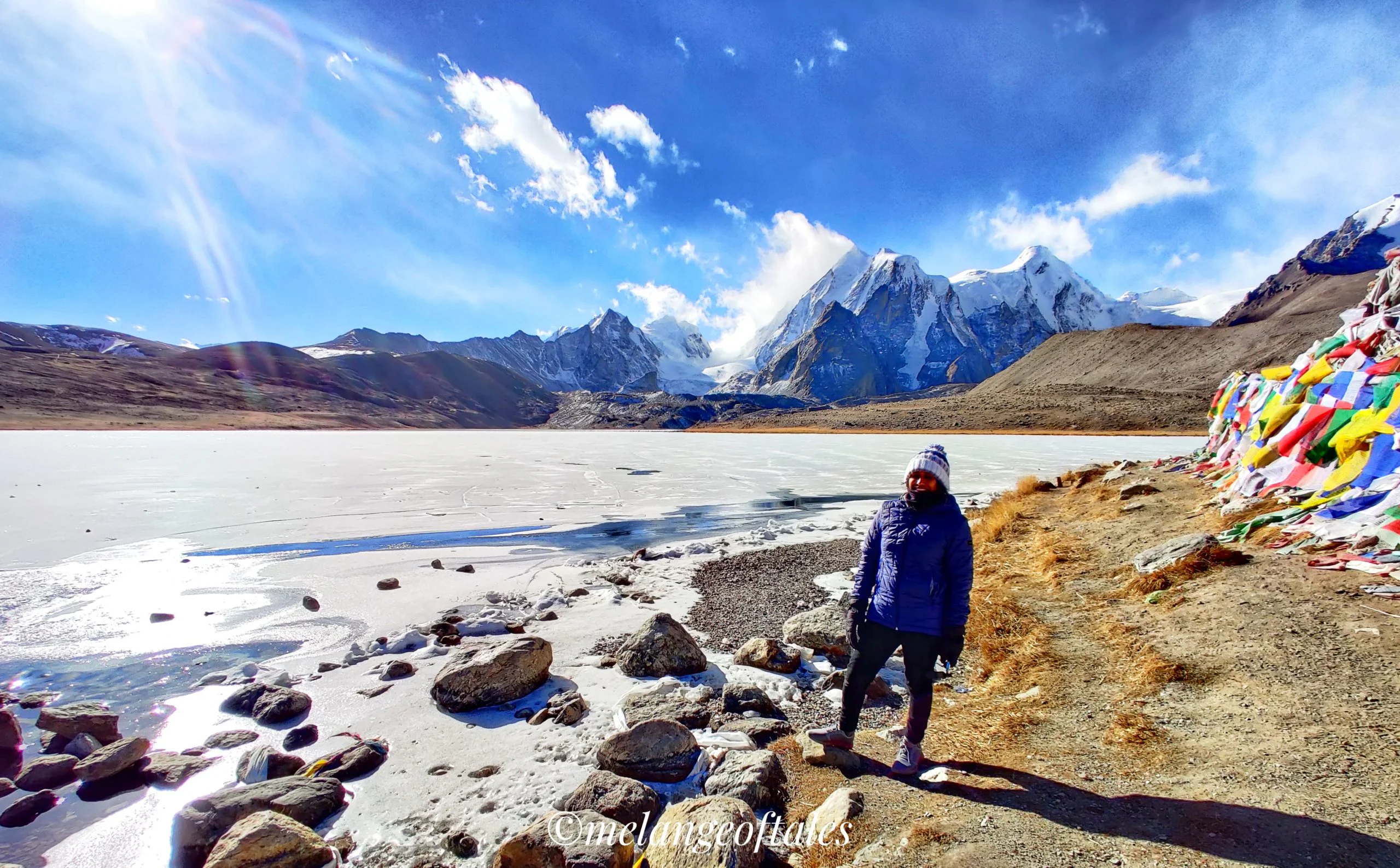
Quick answer: choose by travel style
- Choose North Sikkim if Gurudongmar Lake, Lachen, Lachung, Yumthang Valley and high-altitude scenery are your priorities.
- Choose the Silk Route if you prefer a quieter circuit through Zuluk, Gnathang Valley, Kupup and panoramic viewpoints, with a stronger village-road-trip character.
- Combine both only if you have at least eight to ten comfortable days and are prepared for long mountain drives.
North Sikkim at a glance
A typical North Sikkim programme begins in Gangtok and runs through Chungthang. A two-night route usually covers Lachung and Yumthang Valley. A longer three-night circuit may add Lachen and Gurudongmar Lake, subject to permits, weather, road conditions and local operational advice.
The appeal is scale: glacier-fed rivers, waterfalls, alpine valleys and rapidly changing elevation. The trade-off is a demanding schedule. Departures are often early, road journeys are long, accommodation becomes simpler away from Gangtok, and cold or altitude may affect some travellers.
North Sikkim is best for
- Travellers seeking Sikkim’s most iconic high-altitude scenery
- Couples, photographers and active families with older children
- Visitors who accept early starts and changing road conditions
- Trips with enough flexibility for weather-led adjustments
Silk Route at a glance
The Silk Route follows a historic trade corridor in East Sikkim. A common circuit connects Gangtok or Rongli with Aritar, Padamchen, Zuluk and Gnathang Valley before returning through the Tsomgo–Nathula side when permits and road conditions allow. Exact routing changes with local regulations and seasonal access.
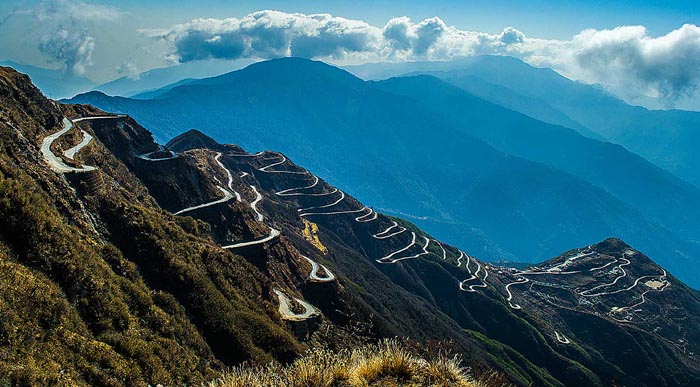
Compared with North Sikkim, the Silk Route feels more like a scenic road trip. Zuluk’s hairpin bends, sunrise viewpoints, high-altitude wetlands and small settlements are the highlights. Homestays and locally run accommodation are central to the experience, although facilities remain simple in remote villages.
The Silk Route is best for
- Travellers who enjoy scenic drives, village stays and photography
- Visitors looking beyond the busiest Sikkim circuits
- Couples and small groups comfortable with simple accommodation
- People who want to combine East Sikkim with Gangtok
North Sikkim vs Silk Route: the main differences
| Factor | North Sikkim | Silk Route |
|---|---|---|
| Main character | High-altitude expedition and famous natural landmarks | Historic road circuit, villages and panoramic viewpoints |
| Typical duration | 2–4 nights from Gangtok | 2–4 nights depending on entry and exit route |
| Signature places | Lachen, Gurudongmar, Lachung, Yumthang | Aritar, Padamchen, Zuluk, Gnathang, Kupup |
| Travel pace | Early starts and longer operational days | More flexible road-trip pace, though driving remains substantial |
| Accommodation | Hotels and lodges; basic in remote sectors | Homestays and modest mountain properties |
| Altitude exposure | Generally more intense, especially Gurudongmar sector | Significant on upper sections but usually built into a gradual circuit |
| Best suited to | Iconic landscapes and first-time high-altitude explorers | Slow travel, repeat visitors and offbeat road-trip seekers |
Which trip is easier for families and senior citizens?
Neither route should be treated as an effortless sightseeing drive. For families with young children or senior citizens, a shorter Lachung–Yumthang programme may be preferable to the full Gurudongmar circuit. On the Silk Route, a carefully paced itinerary with an acclimatisation night and conservative upper-route planning can work well for healthy travellers.
Medical history matters more than age alone. Anyone with heart, respiratory or serious blood-pressure conditions should take medical advice before high-altitude travel. Avoid rushing directly from the plains to the highest sector. Our forthcoming family guide will cover pacing, food, medicines and vehicle planning in greater detail.
Permits and documents
Both circuits include protected or restricted areas. Permit rules vary by nationality and sector, and they can change. Indian travellers should carry original government photo identification and recent photographs as advised by the operator. Foreign nationals face additional restrictions and may not be allowed into every sector available to Indian visitors.
Do not finalise non-refundable remote-sector arrangements until your operator has checked the current route and documentation requirements. Read the detailed permit guide for Indian and foreign travellers before booking.
Best season for each route
Spring brings rhododendrons, changing valley colours and pleasant lower elevations. Autumn usually offers clearer mountain views and crisp mornings. Winter can create spectacular snow scenery but also increases the chance of closures, frozen stretches and operational changes. Monsoon requires caution because heavy rain can affect roads and travel time.
No month guarantees access. Always keep a realistic buffer and let local safety conditions decide the final route.
How many days should you keep?
- 4–5 days: Gangtok plus one short remote circuit, usually Lachung–Yumthang or a compact Silk Route plan.
- 6–7 days: Gangtok plus a more complete North Sikkim or Silk Route experience.
- 8–10 days: Possible combination of North Sikkim and the Silk Route, with sensible rest and contingency time.
Compare practical trip lengths in our 4, 5, 7 and 10-day Sikkim itinerary guide.
Our recommendation for first-time visitors
If this is your first Sikkim trip and you have six or seven days, prioritise one remote circuit rather than trying to collect both. Choose North Sikkim for the headline landscapes. Choose the Silk Route for a quieter, more intimate journey with local stays and varied viewpoints. Add Gangtok at the beginning so you can acclimatise, organise permits and absorb any road-related change without losing the entire trip.
Need help choosing the right route?
Tell SikkimYatra your dates, group profile and preferred pace. We will recommend a realistic route based on current access, permits and operating conditions.
WhatsApp 8448816633 Email your enquiry
You can also call 9733222666.
Explore a Silk Route itinerary
Ready to turn the comparison into a practical plan? See our Silk Route tour package covering Zuluk, Nathang Valley and Gangtok, or ask us to customise the route for your dates and group.



Comment (0)