

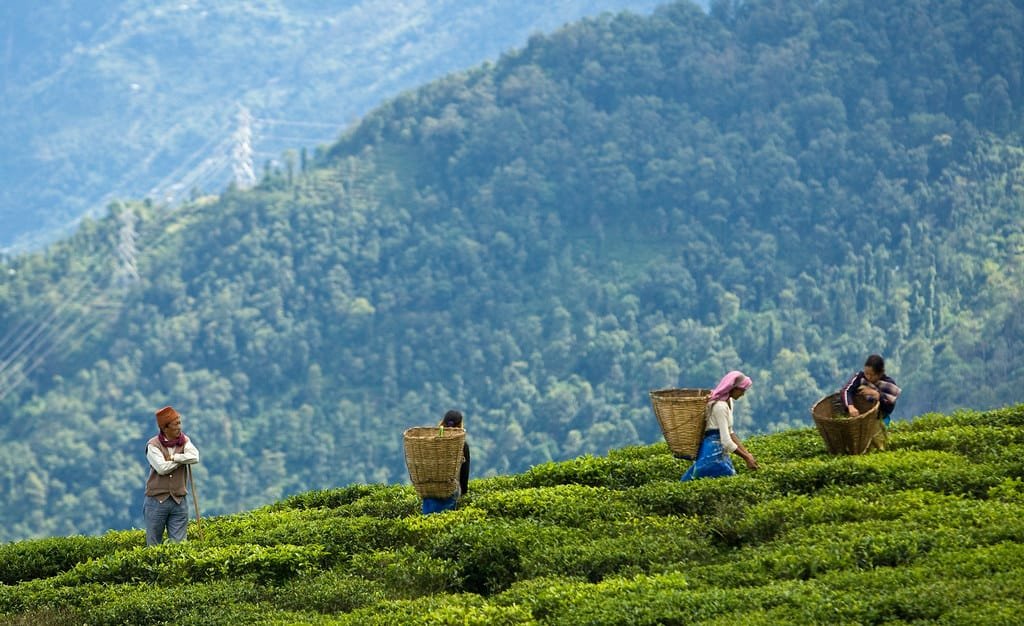
Responsible tourism in Sikkim is not only about avoiding plastic. It is about deciding where visitor spending goes, respecting fragile mountain environments, valuing local knowledge and ensuring that tourism strengthens communities rather than displacing them.
Community-based travel can include locally owned homestays, village guides, farm experiences, traditional food, cultural interpretation, nature walks and small enterprises. The best experiences are planned with residents, not performed around them.
What community-based tourism means
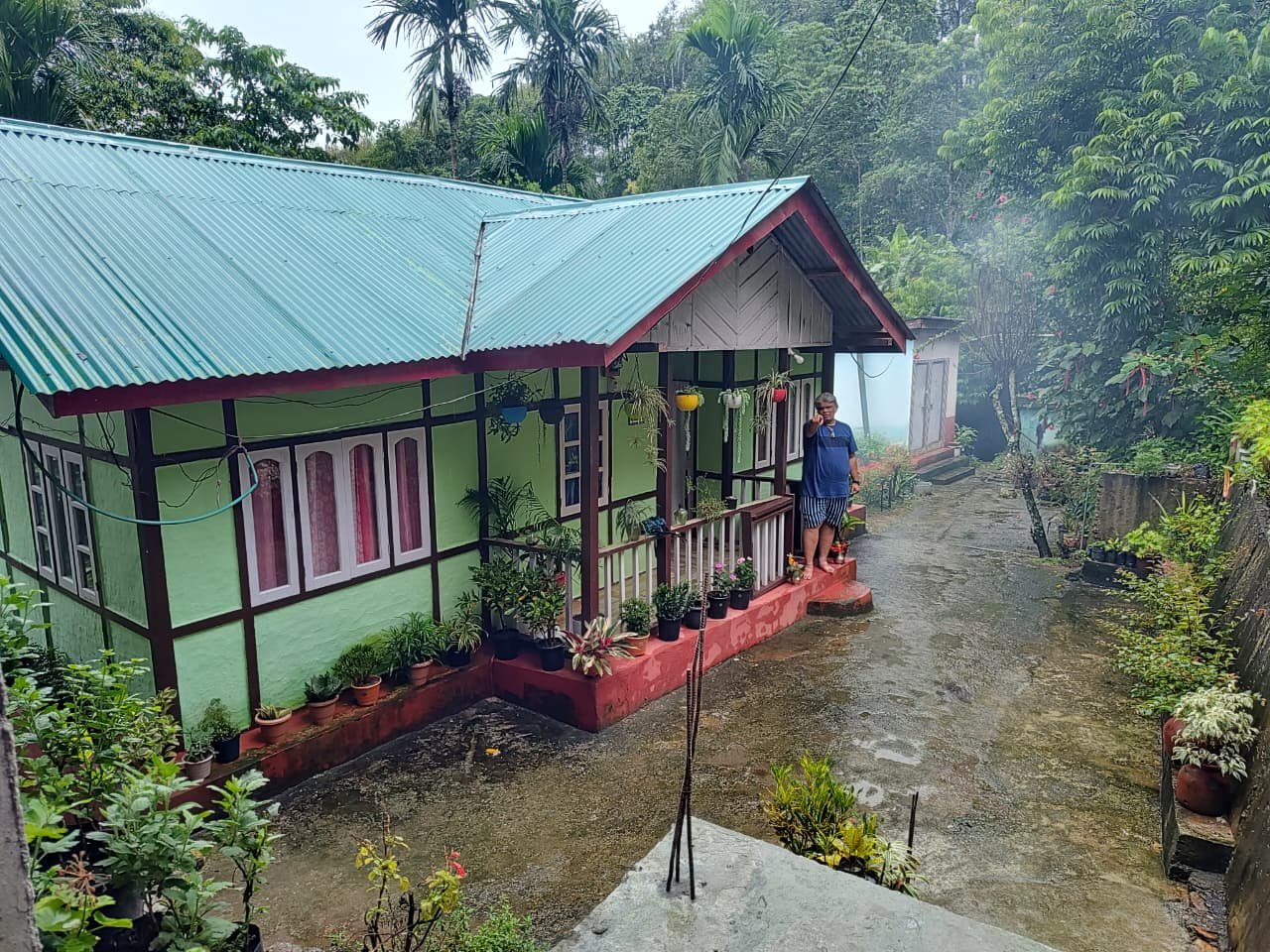
A community-based model gives local people a meaningful role in planning, hosting, guiding and earning from tourism. It does not mean every village experience is automatically sustainable. Fair payment, transparent arrangements, manageable group sizes and respect for local priorities are essential.
Choose locally owned stays and services
Homestays provide income beyond room charges: hosts may supply meals, farm produce, guiding, transport and cultural knowledge. Ask what is included, confirm facilities honestly and appreciate that a village homestay is different from a city hotel. Book local guides for forest and village walks, and purchase crafts or produce directly when possible.
Respect farming as a livelihood
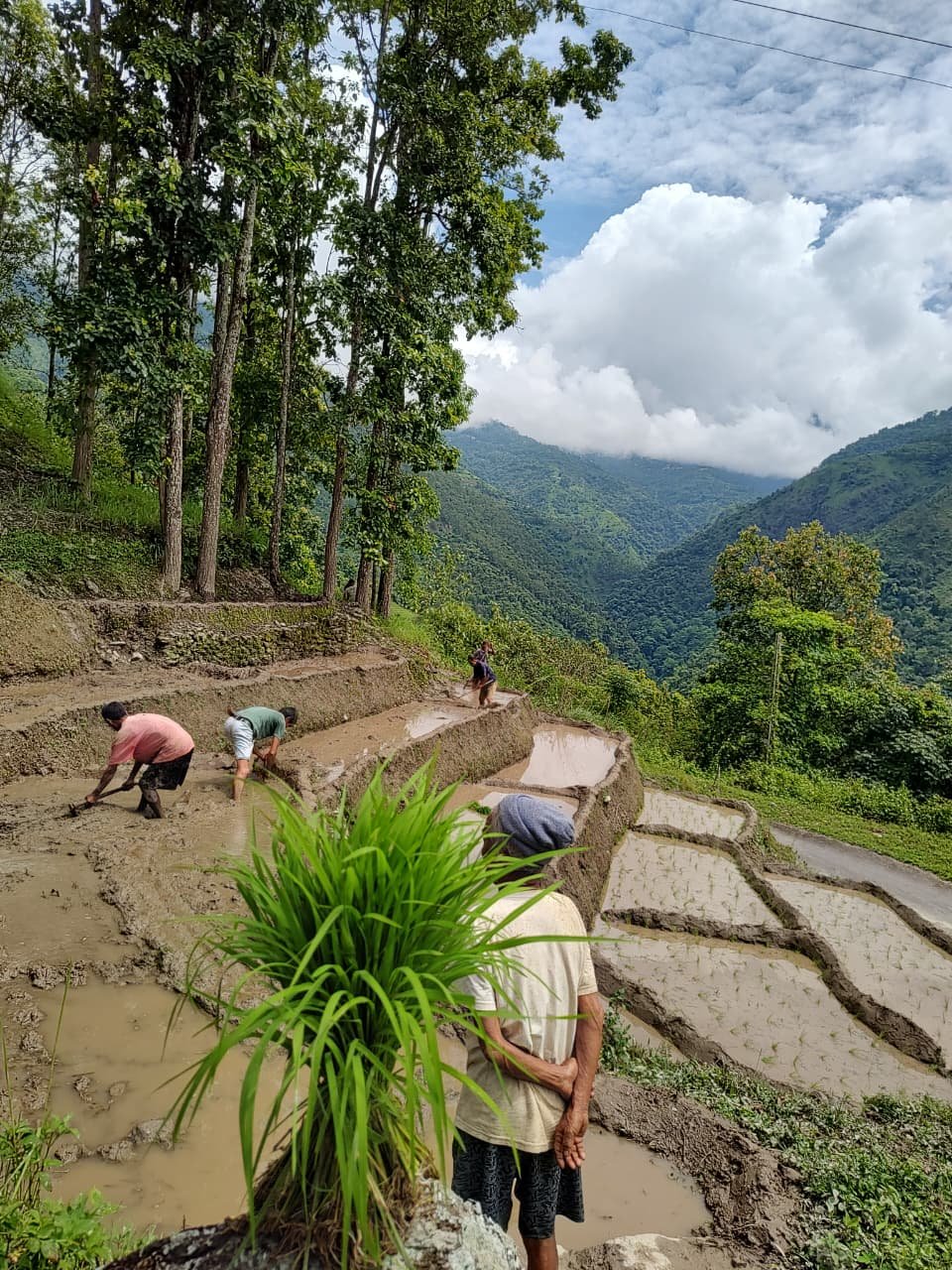
Terraces, nurseries and household farms are visually attractive, but they are workplaces. Enter only with permission. Do not damage crops for photographs or expect residents to interrupt work without an arrangement. When farm participation is offered, it should be safe, seasonal and fairly compensated.
Food connects visitors with place
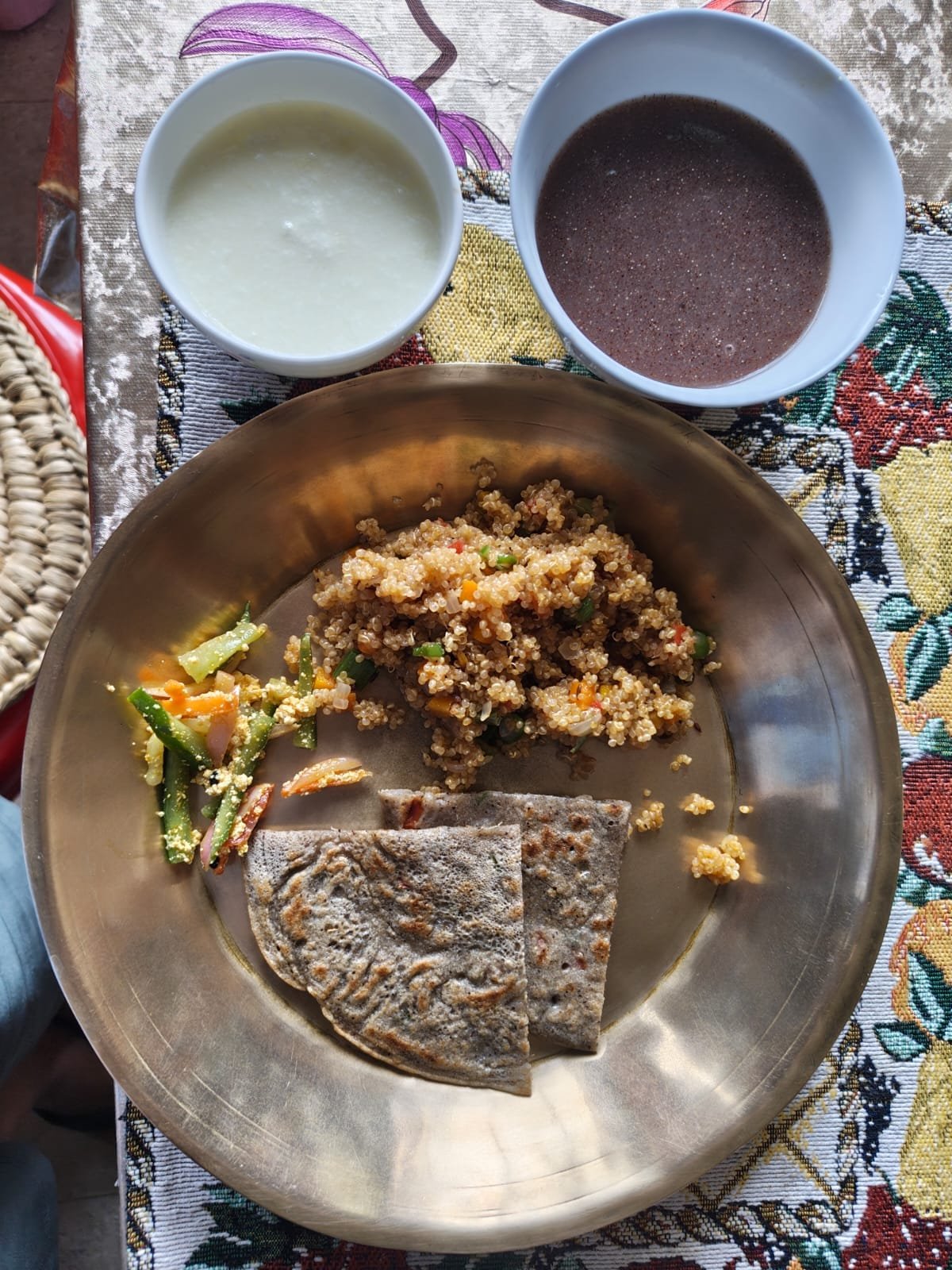
Eating locally sourced food supports farmers, cooks and household enterprises while reducing dependence on long supply chains. Be open about allergies and dietary requirements before arrival. Avoid demanding elaborate menus at short notice and ask hosts about ingredients and traditions with genuine curiosity.
Value skills and living heritage
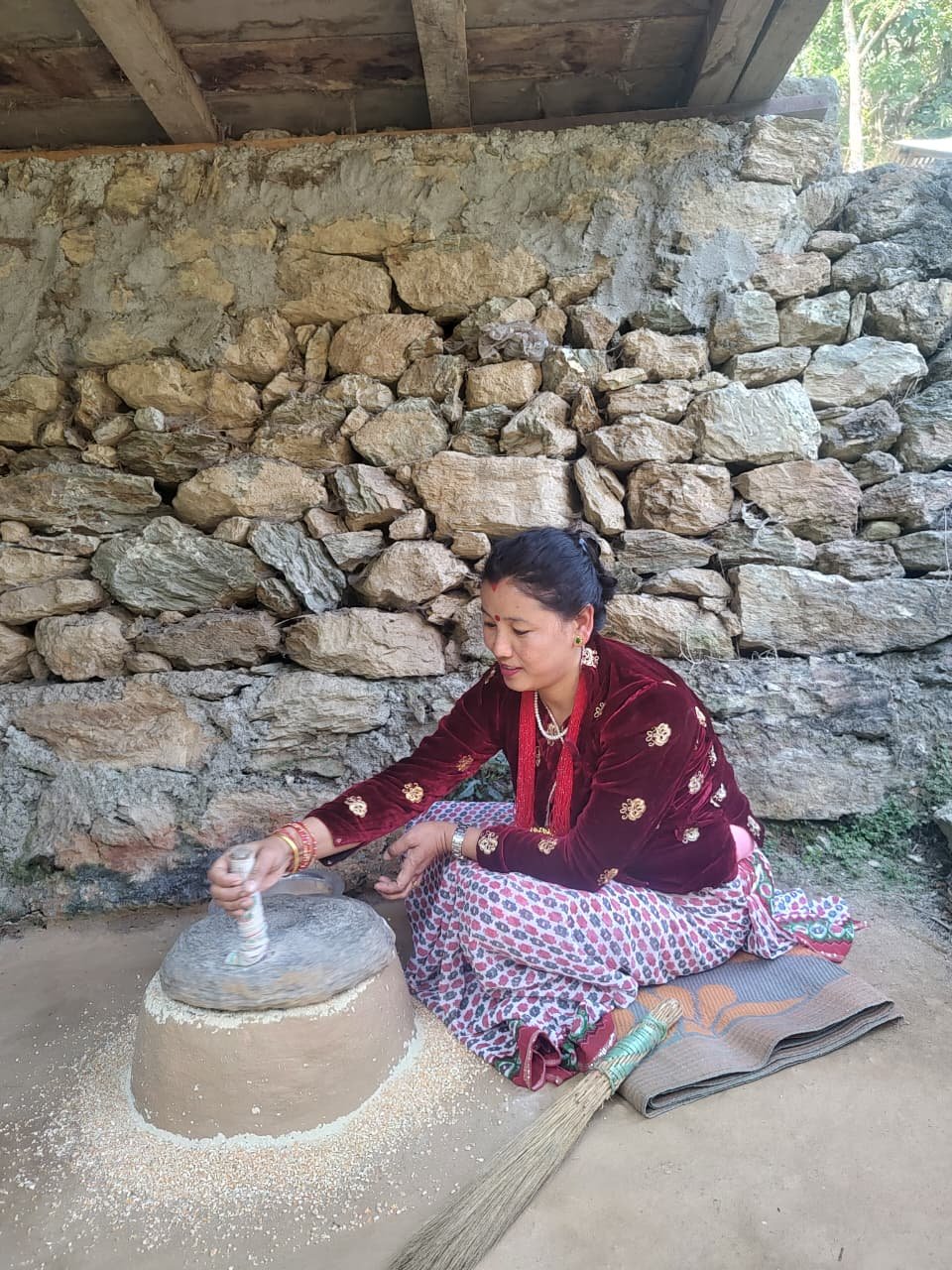
Food preparation, grain processing, music, storytelling, ecological knowledge and craft are forms of expertise. Ask before taking photographs or video, especially during ceremonies or inside homes. If a demonstration is arranged for visitors, it should be acknowledged and paid for as skilled work.
Protect wildlife and natural areas
- Stay on recognised trails and follow local guides.
- Never disturb nests, feed wildlife or repeatedly play recorded bird calls.
- Carry waste back and avoid single-use packaging.
- Keep noise low and use small groups in forests.
- Do not disclose sensitive wildlife locations online.
- Use water and energy carefully, particularly in villages with seasonal shortages.
Travel slower and reduce unnecessary driving
Long, rushed itineraries increase fuel use and leave little money in each destination. Spending two nights in a community instead of making a brief photo stop creates time for guided walks, meals and meaningful local purchases. Combine nearby experiences geographically and keep mountain driving days realistic.
Examples in South Sikkim and Namchi District
Kitam can combine local bird guides, forest walks and homestays. Sadam Hills demonstrates how community organisation can connect nature and adventure tourism. Village landscapes around Namchi can support farms, local food, short trails and small enterprises when visits are arranged responsibly.
Plan with the Kitam Bird Sanctuary & Eco-Tourism Guide, our Offbeat South Sikkim guide and the wider South & West Sikkim Travel Guide.
A responsible traveller checklist
- Prefer local ownership over convenience-only chains.
- Agree prices and inclusions clearly; do not bargain unfairly.
- Ask permission before photographing people or property.
- Dress and behave respectfully at monasteries and sacred places.
- Carry reusable bottles and bags.
- Leave honest feedback without judging simple rural facilities by luxury-hotel standards.
- Report unsafe or exploitative practices to the organiser.
Plan a locally rooted Sikkim journey
Tell SikkimYatra that you prefer community stays, local guides, village food and a slower itinerary. We will build these preferences into a customised route wherever suitable services are available.
Follow Sikkim’s official visitor guidance
Protect natural areas, respect religious and cultural spaces, ask before photographing people, avoid litter, follow wildlife and forest rules, and choose local stays, guides and services where practical.


Comment (0)