


Kitam is one of South Sikkim’s most rewarding places for travellers who prefer forest walks, bird calls, village hospitality and unhurried time in nature. Located in the lower hills of Namchi District, the sanctuary protects warm subtropical forest and forms part of a living rural landscape rather than an isolated sightseeing stop.
Verified sanctuary facts
- Official name: Kitam Bird Sanctuary.
- Location: Kitam, Namchi District, between Namchi and Melli in South Sikkim; part of the 12-Melli Constituency tourism corridor.
- Protected area: 6 sq. km, notified by the Sikkim Forest Department in 2005.
- Elevation: approximately 320–875 metres (about 1,050–2,870 feet).
- Landscape: low-elevation subtropical forest, village land and the Rangit–Manpur river environment.
- Bird diversity: Government tourism information reports more than 200 bird species; sightings vary by season and conditions.
This guide is designed for birdwatchers, photographers, families and responsible travellers planning a half-day, full-day or overnight experience around Kitam.

Why visit Kitam?
Kitam offers a rare combination of accessible forest, knowledgeable local guides, village trails, watchtowers, butterflies, river scenery and homestays. The experience is strongest when approached slowly: start early, walk quietly, carry binoculars and allow time for a local meal or an overnight stay.
- Low-elevation birding with a wide variety of resident and seasonal species
- Guided forest walks and birdwatching from village roads and trails
- Butterflies and other forest biodiversity
- Community homestays and traditional food
- Easy combination with Namchi, Tarey Bhir, Melli and other South Sikkim experiences
Birdwatching and wildlife
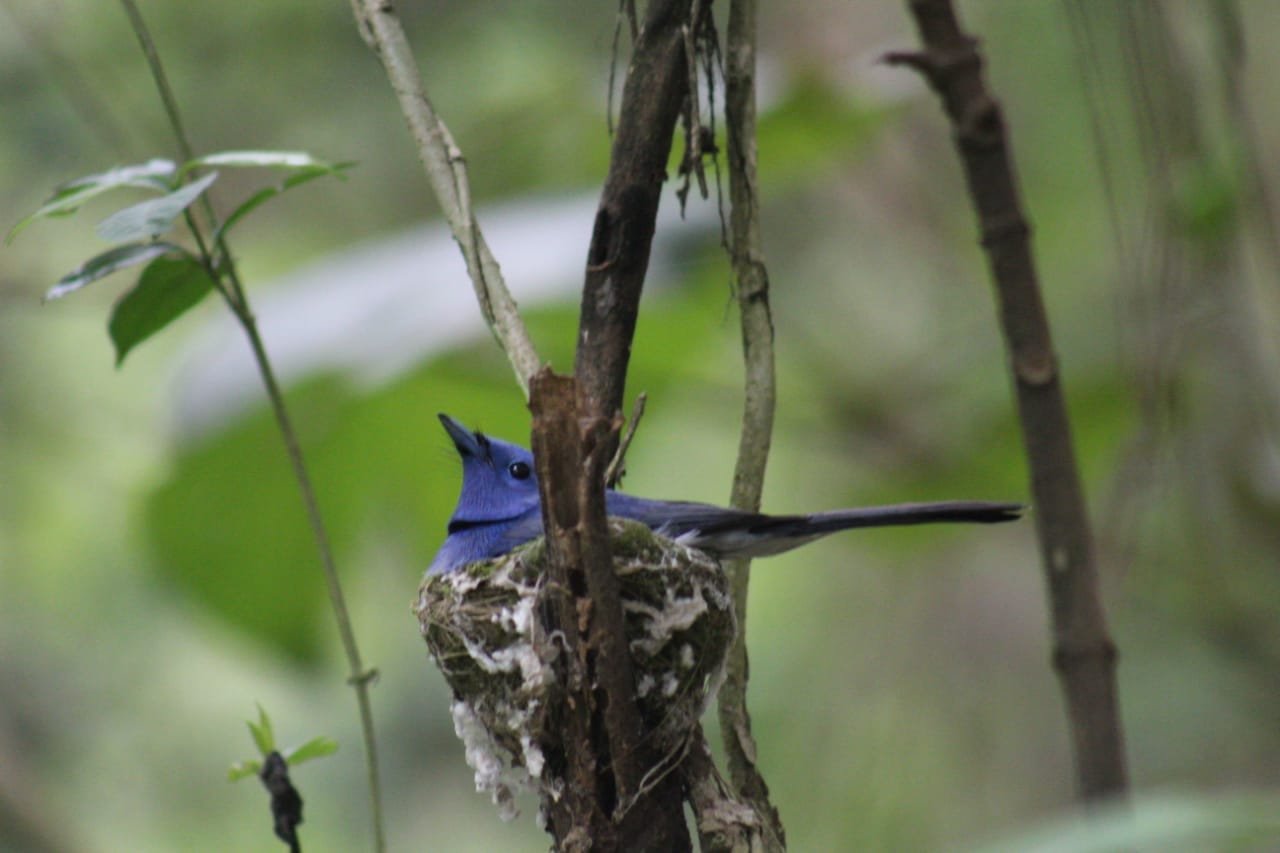
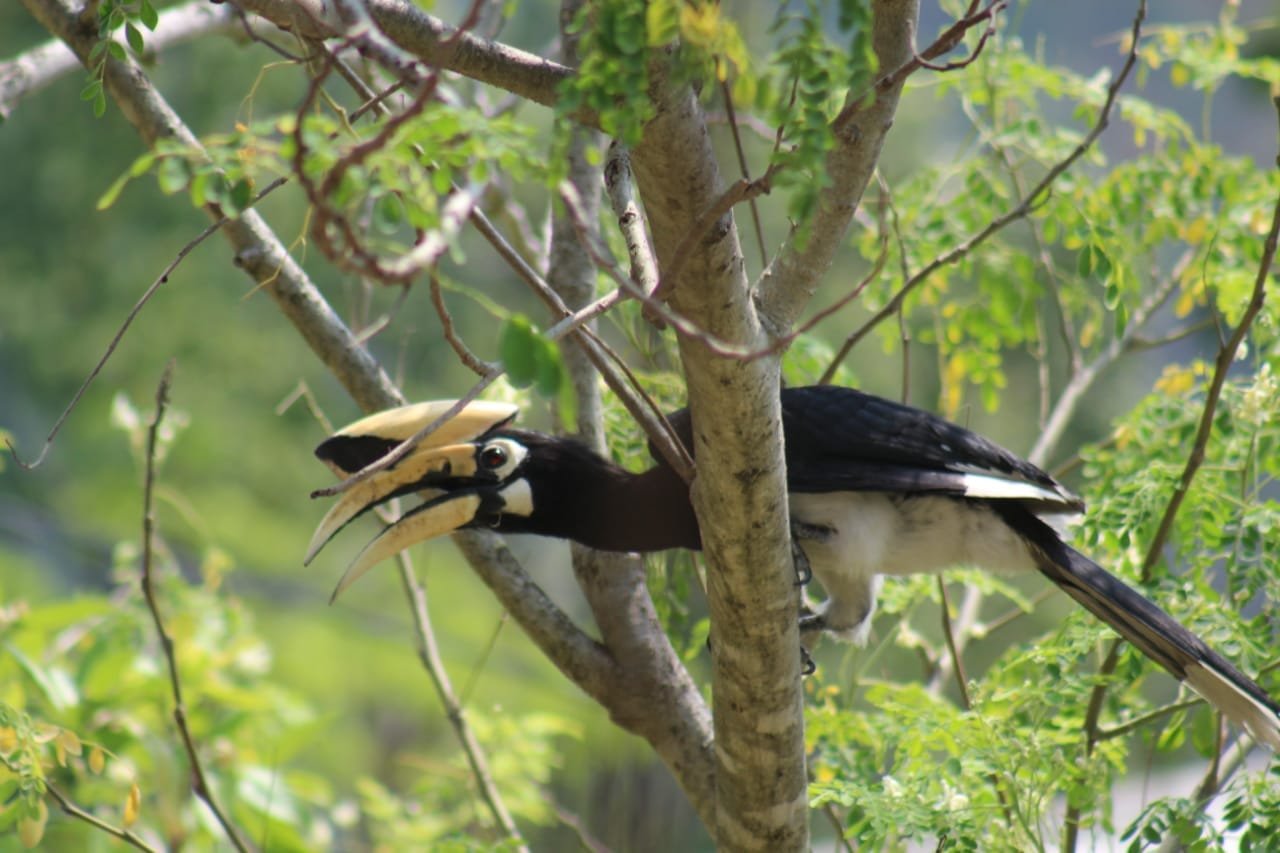
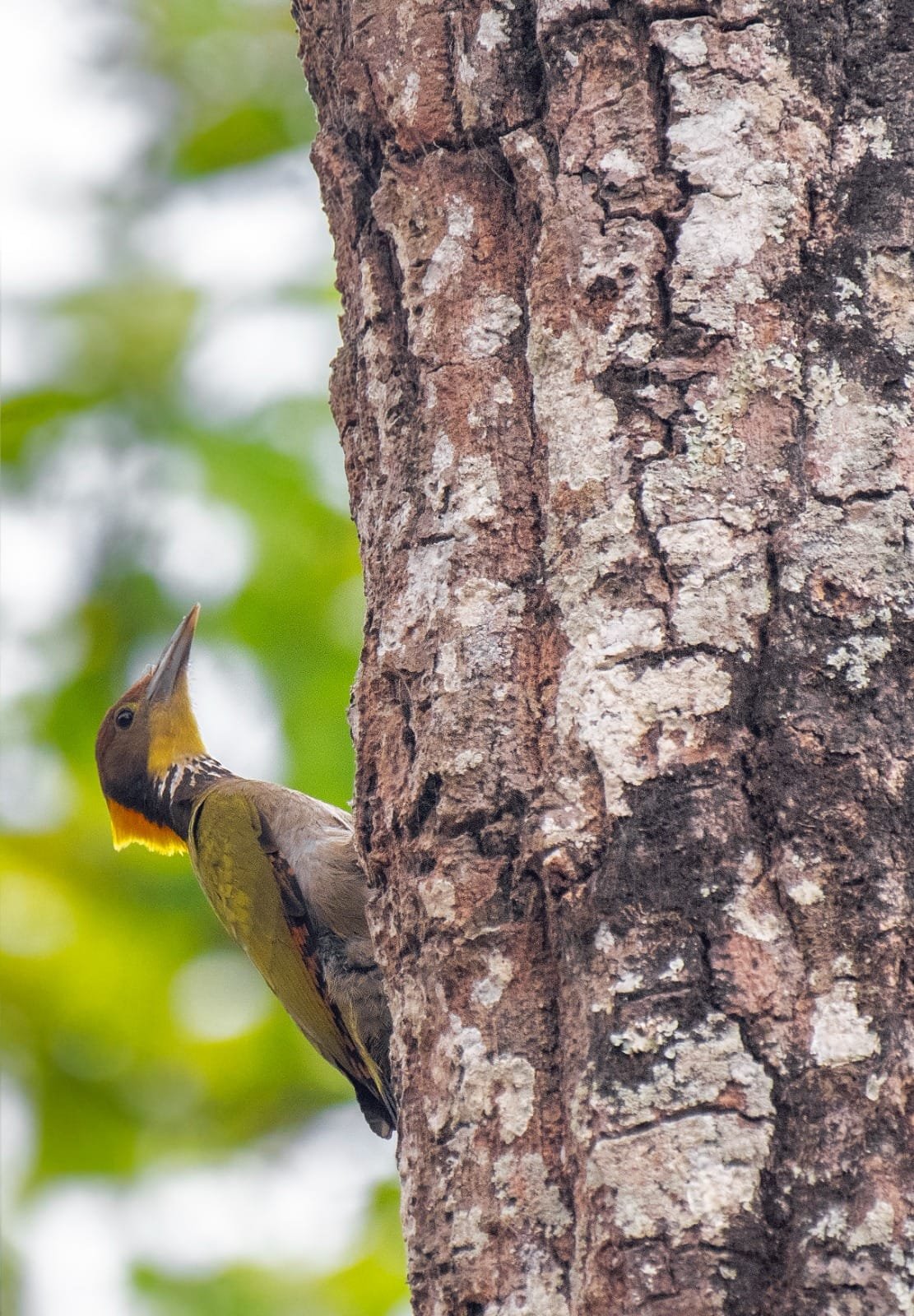
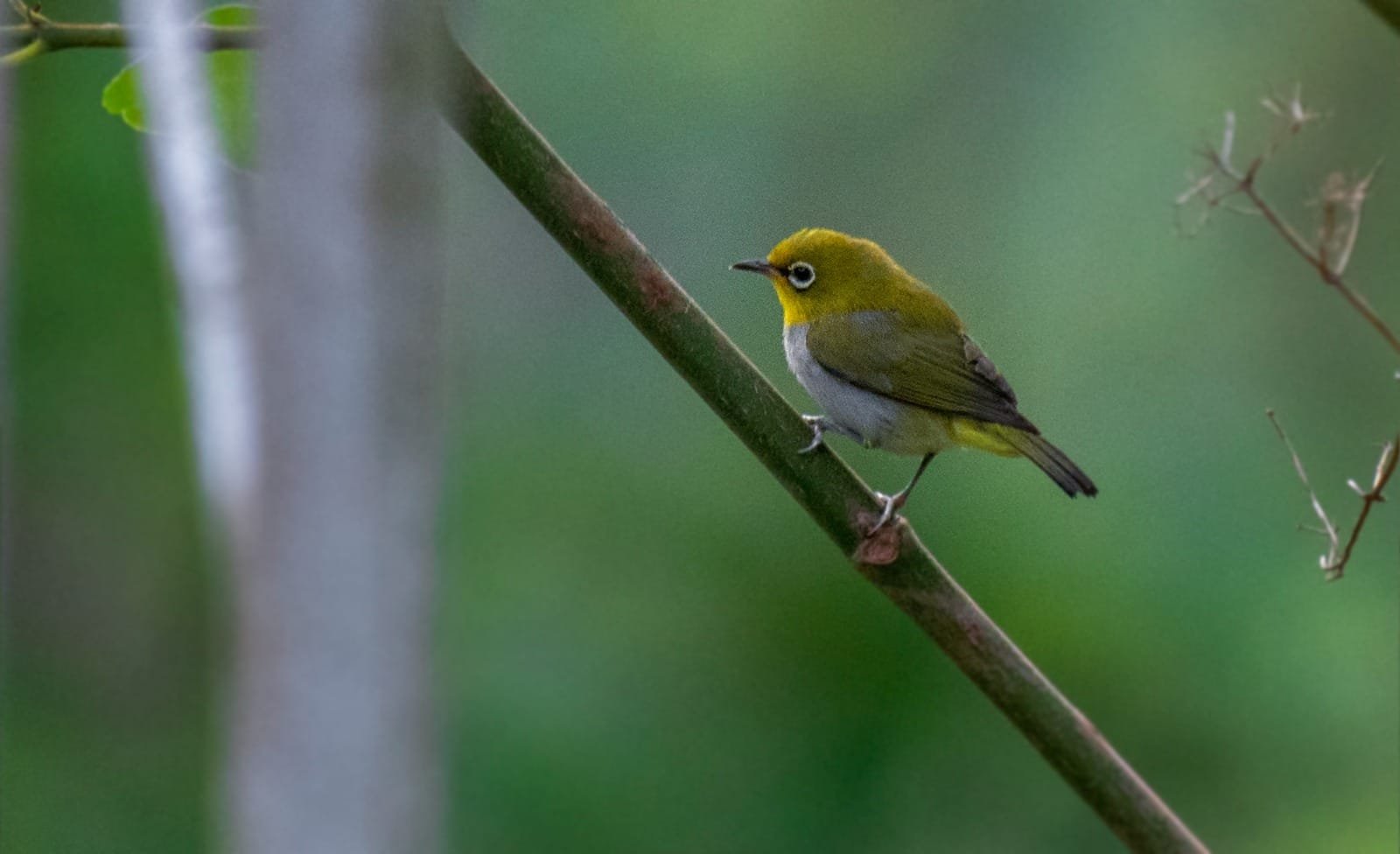
The forest rewards patience rather than speed. Sightings change with season, weather, flowering and fruiting cycles, so no ethical operator should guarantee a particular species. Local guides improve the experience by recognising calls, behaviour and the most productive sections of trail.


Best time and ideal timing
September to June is the practical local visiting season. October–December is especially rewarding for clear weather and seasonal bird activity, while April–May offers active resident birds, butterflies and flowering vegetation. Monsoon months make the forest exceptionally green but trails may be slippery and visibility, road conditions and insect activity can vary. Begin around sunrise for the best light, cooler temperatures and greater bird activity. A serious birding visit deserves at least one full morning; an overnight stay allows both evening and dawn sessions.
Entry, visiting time, guide and permission
- Entry fee: Free under the current local visitor arrangement.
- Practical visiting time: Early morning to 5:00 PM.
- Best birding period: Approximately 5:30–9:00 AM; a shorter late-afternoon session may also be productive.
- Advance permission: Can be obtained through advance coordination with the local guide or concerned sanctuary/Forest personnel.
Advance coordination is recommended for an early-morning forest entry, a registered guide, organised groups, research, professional photography, camping or another special activity. Research and organised activities remain subject to Forest Department requirements.
SikkimYatra can coordinate a locally registered birding guide and reconfirm access before travel. Visitors should carry government-issued identification and follow instructions from forest personnel and the guide. Timings and operational arrangements may change because of weather, trail conditions or official directions.
Approximate access planning
- From Namchi: approximately 30 minutes in normal conditions.
- From Melli: approximately 45–75 minutes, depending on the selected road.
- From Gangtok, NJP or Bagdogra: use approximately 150–180 minutes as a practical minimum estimate in normal conditions and keep additional buffer for traffic, stops, road work and mountain weather.
Travellers arriving from NJP or Bagdogra should stay near Kitam if they want a proper dawn birding session the following morning.
Suggested one-day Kitam experience
- Early morning: meet a local guide and begin a quiet forest or village-edge bird walk.
- Mid-morning: visit a watchtower or viewpoint, depending on trail and weather conditions.
- Lunch: enjoy a pre-arranged local meal or homestay lunch.
- Afternoon: take a shorter biodiversity walk, visit the river landscape or interact with the host community.
- Evening: continue to Namchi or stay overnight for another dawn birding session.
Notable birds recorded around Kitam
Kitam supports more than 200 recorded bird species across its subtropical forest, village edges and river environment. Frequently discussed highlights include the Indian Great Hornbill, Oriental Pied Hornbill, Indian Peafowl, Kalij Pheasant, Red Junglefowl, Black Baza, Sultan Tit, Great Barbet, Scarlet Minivet, Green Magpie, white-eyes, yuhinas, nuthatches and woodpeckers. Seasonal waterbirds may also occur along the wider river corridor.
These are records, not guaranteed sightings. Quiet movement, an experienced birding guide and two separate morning sessions give photographers and serious birders a better opportunity than a rushed sightseeing stop.
Homestays and local food
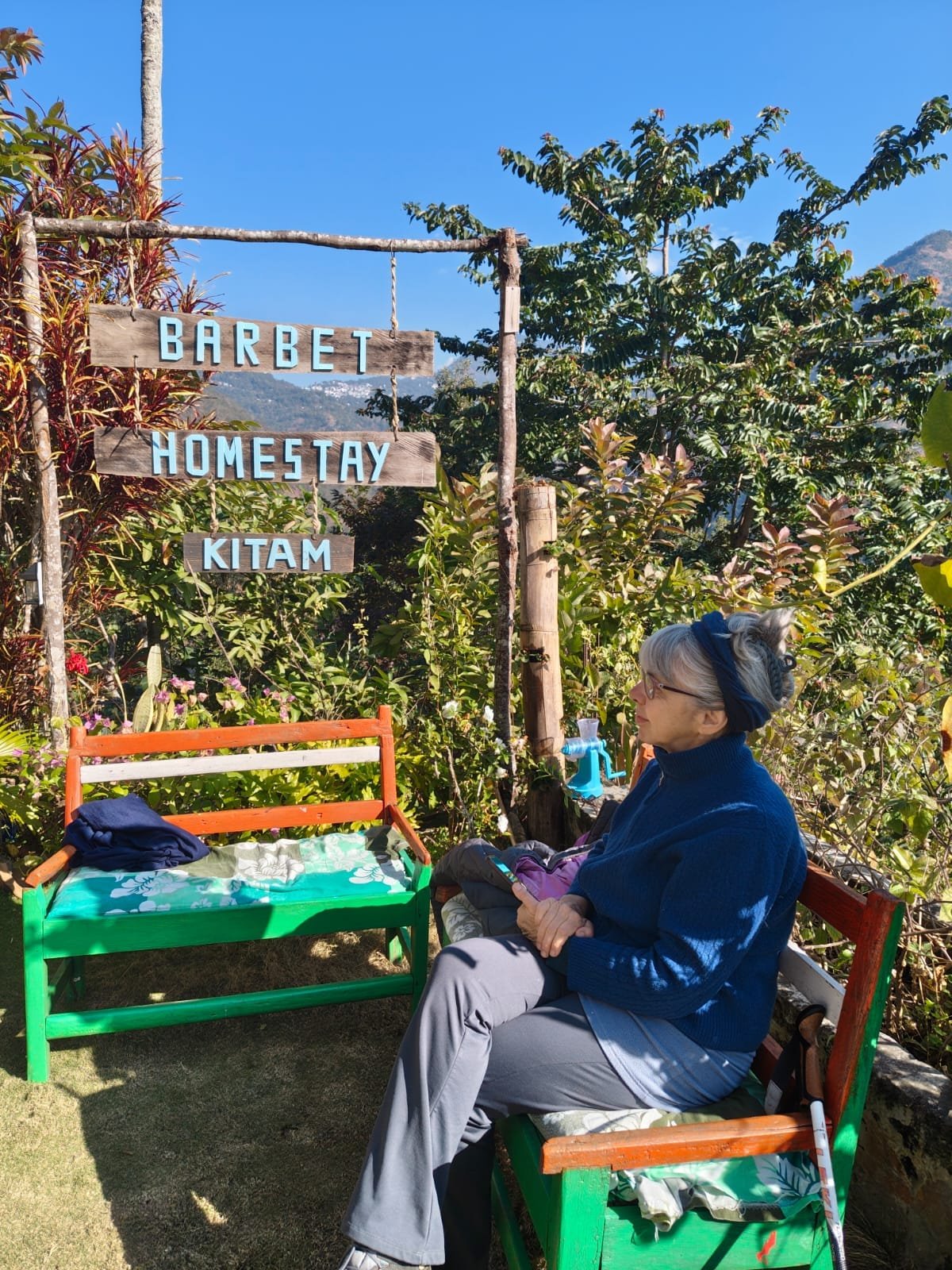
Staying locally makes the trip more meaningful and keeps a larger share of visitor spending within the community. Barbet Homestay in Lower Kitam is a practical base near the sanctuary for an early birding start and locally prepared food. Facilities are usually simple and personal rather than resort-like. Confirm room type, attached-bath availability, meal preferences, road access and walking requirements before booking.

Butterflies and forest biodiversity
Kitam is not only for birders. Butterflies, seasonal flowers, forest textures and river habitats make it attractive to nature photographers and families. Avoid handling wildlife or disturbing feeding and nesting behaviour.


Suggested 1-night/2-day Kitam itinerary
Day 1: Arrival and local orientation
Arrive by lunchtime or early afternoon, check into a Kitam homestay and meet the local guide. Take a short forest or village walk, visit a Rangit–Manpur river viewpoint where access is permitted, and confirm the next morning’s trail and start time.
Day 2: Main birding session and departure
Begin around 5:15–5:30 AM for a guided three- to four-hour birding walk. Return for breakfast, then add a short village, butterfly or viewpoint visit before continuing to Namchi, Melli or the next destination.
Suggested 2-night/3-day Kitam itinerary
Day 1: Village and late-afternoon birding
Check in, explore the village landscape and complete a short orientation walk with the guide.
Day 2: Full nature day
Use the first morning for the principal birding trail. After breakfast and rest, visit a watchtower, butterfly area or shorter trail. A permitted riverside walk and local-food experience can be added later in the day.
Day 3: Second birding session
Take a different early-morning trail before breakfast. This second opportunity is valuable when cloud, rain or low bird activity affects the first session. Continue afterwards towards Namchi, Sadam Hills, Melli–Rangit, Temi or Ravangla.
What to carry
- Binoculars and a camera with a quiet shooting mode
- Neutral-coloured clothing and comfortable walking shoes
- Water, sun protection and a light rain layer
- Personal medication and insect protection
- A small daypack; avoid loud speakers and unnecessary plastic
Responsible birdwatching
Stay on recognised paths, keep groups small, follow the guide’s instructions and never play bird calls repeatedly near nests. Do not disclose sensitive nesting locations publicly. Ask before photographing residents, respect farms and private property, carry waste back and pay local guides and hosts fairly.
Combine Kitam with South Sikkim
Kitam works well within a wider journey covering Namchi, Tarey Bhir, Sadam Hills and community-based experiences. Explore our South & West Sikkim Travel Guide, compare practical routes in the Sikkim itinerary guide, or begin with the first-time Sikkim planning guide.
Plan a Kitam nature experience
We can arrange a customised Kitam visit with transport, a local birding guide, homestay options and a wider Namchi District itinerary.